
The best wellness and yoga retreats in Latin America right now are clustered in six spots: Tulum, Sayulita, Uvita, Lake Atitlán, the Sacred Valley, and Pipa — each offering a distinct climate window, price point, and style of practice.
If you've been scrolling retreat listings until your eyes glaze over, you're not alone. Latin America has quietly become the wellness travel capital of the Western Hemisphere, and for good reason: direct flights from most US hubs, favorable exchange rates, and a genuine, decades-deep yoga and healing culture that didn't spring up overnight for Instagram. The trick isn't finding a retreat — it's finding the right one for the season you're traveling and the kind of reset you actually need.
This guide breaks down seven places where the practice, the climate, and the value line up. We've included realistic pricing, ideal trip lengths, and what makes each destination worth the flight over the more obvious alternative everyone already knows about.
Tulum
 Photo by Shifaaz shamoon on Unsplash
November through April is Tulum's sweet spot, when humidity drops and the Caribbean coast turns into a nearly uninterrupted string of clear mornings, which matters a lot when your yoga practice starts at sunrise on an open-air platform. Retreat weeks here run from $900 for a shared-room package to $2,800 for a private beachfront casita with daily bodywork included, and that spread gives you real flexibility depending on whether you're traveling solo or splitting a room. The town's cenotes double as natural cold-plunge therapy between sessions, and the food scene has matured into something genuinely excellent, not just smoothie bowls with a markup. Compared to Bali, Tulum wins on flight time alone — five hours from most East Coast cities versus twenty-plus — which means you spend your vacation days actually recovering instead of jet-lagged.
Sayulita
 Photo by Jeffrey Workman on Unsplash
December through March brings Sayulita its driest, most consistent surf and its most reliable yoga weather, which is exactly why this small Nayarit town pairs the two so well. A week-long retreat that combines morning vinyasa with afternoon surf lessons typically runs from $750, noticeably less than comparable surf-and-yoga packages in Costa Rica, largely because flights into Puerto Vallarta are cheaper and the town itself hasn't fully caught up to its own popularity yet. The vibe is looser than Tulum's — fewer influencers, more actual surfers and long-term expats running small studios out of converted garages. You get the same warm-water, easy-access appeal without paying the premium that comes with a more polished brand name. It's a smart pick if your idea of wellness includes falling off a board and laughing about it.
Uvita
 Photo by Anmol Seth on Unsplash
December through April is dry season along Costa Rica's southern Pacific coast, and Uvita uses that window better than almost anywhere else in the country, with jungle canopy retreats built directly into the hillsides above Marino Ballena National Park. Expect to pay from $1,200 for a week that includes daily yoga, plant-based meals, and a guided hike to see the whale-tail sandbar, which is a fair price given the private setting compared to the more crowded Nosara scene up the coast. The pace here is slower and more grounded — fewer boutique cafes, more actual silence — which suits people who want the wellness reset without the social scene attached. Howler monkeys and toucans are a near-daily backdrop rather than a marketing photo. If Nosara feels like it's outgrown itself, Uvita is what it used to be.
Lake Atitlán
 Photo by Annie Spratt on Unsplash
November through April keeps Lake Atitlán's famously changeable weather calm and dry, and that stability is a big part of why this volcanic lake has become a genuine hub for sound healing, breathwork, and longer meditation retreats. Weekly packages start from $650, which is remarkably affordable given the setting, largely because Guatemala's tourism infrastructure still costs less than its more established neighbors. The three main towns around the lake — San Marcos, Santa Cruz, and Jaibalito — each have a slightly different flavor, from serious silent retreats to looser communal living situations, so you can match the intensity to what you actually want. Boats are the only way between towns, which forces a slower rhythm whether you're ready for it or not. It's a more introspective alternative to Tulum's social scene, at roughly half the daily cost.
Sacred Valley
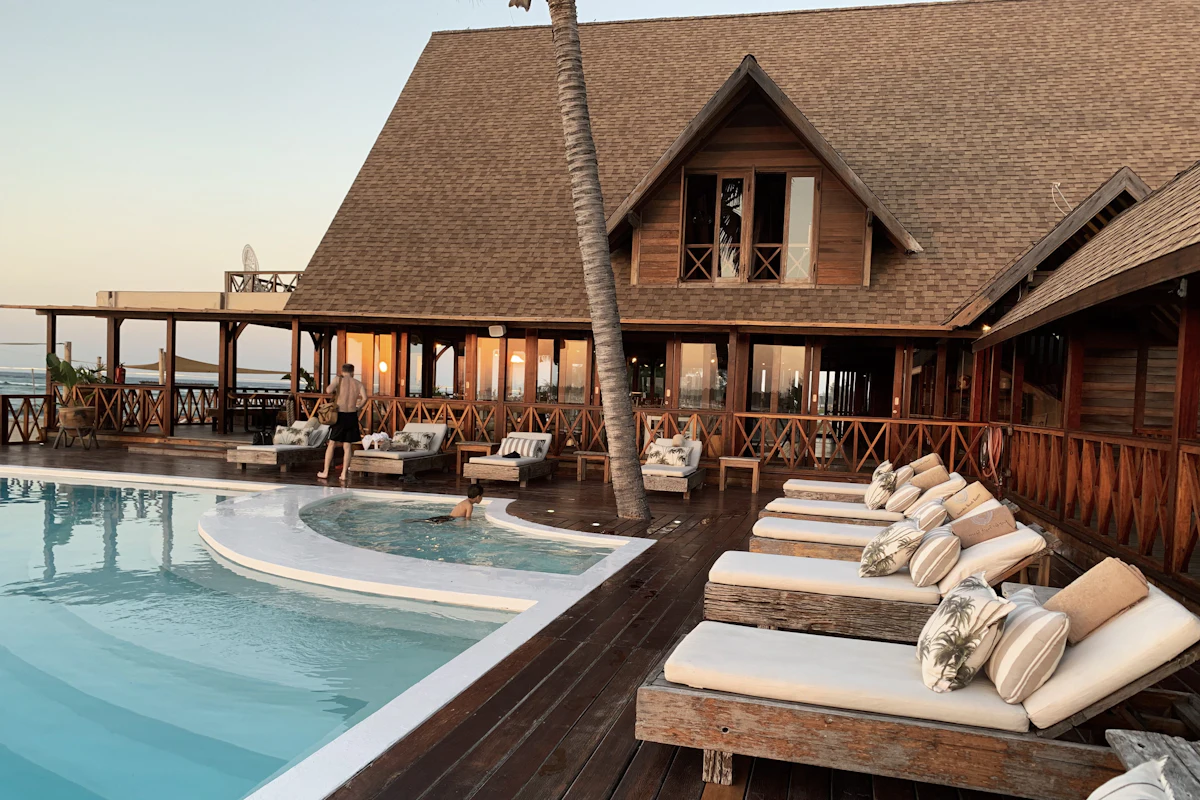 Photo by Bilderboken on Unsplash
May through September is Peru's dry season in the Andes, and it's the smartest time to combine a yoga retreat with acclimatization before or after Machu Picchu, since the Sacred Valley sits at a friendlier altitude than Cusco itself. Retreat weeks here run from $1,100 and often include daily asana practice, guided meditation with local curanderos, and excursions to ruins that most tourists only see from a bus window. The altitude does real work here — slower breathing, deeper sleep, a kind of physical reset that beach destinations can't replicate. Compared to doing Cusco and Machu Picchu as a rushed side trip, building your itinerary around a Sacred Valley retreat gives your body time to adjust while you're already doing something restorative instead of just waiting it out. It's the rare wellness trip that also functions as smart trip logistics.
Book Sacred Valley retreats at least two nights before any Machu Picchu hike so your body has time to adjust to the altitude. Retreat centers there almost always build this buffer into their standard weekly packages.
Not sure which retreat fits your schedule?
Tell Sapience your travel dates and budget, and we'll match you to the right destination, flight window, and retreat style automatically.
Build my free plan →Pipa
 Photo by Ryan Spencer on Unsplash
September through February is dry season along Brazil's northeastern coast, and Pipa uses it to full effect with cliffside retreats overlooking beaches that stay warm well into what counts as winter up north. A week here starts from $980 including daily practice, açaí-heavy meals, and access to natural pools carved into the sandstone cliffs, which is a fair price for a coastline that still feels genuinely local rather than built for tourists. Pipa gets a fraction of the attention that Rio or Florianópolis pull in, which keeps both prices and crowds lower without sacrificing the quality of the setting or the instructors, many of whom trained in traditional Brazilian capoeira-influenced movement practices alongside standard vinyasa. It's a strong pick if you want South America's Atlantic coast without the cost or crowds of Rio. The direct flights into Natal make it more accessible than it looks on a map.
Minca
 Photo by JESHOOTS.COM on Unsplash
December through March is the clearest, driest stretch in Colombia's Sierra Nevada foothills, and Minca has turned that window into a real wellness draw built around coffee-farm retreats set a thousand meters above the Caribbean coast. Weekly packages start from $700, which undercuts most Costa Rican equivalents by a wide margin thanks to Colombia's lower operating costs and a currency that stretches further for US travelers. Mornings typically pair yoga with a walk through working coffee farms, and afternoons often include waterfall swims that double as a natural plunge-pool recovery session. Unlike Tulum or Sayulita, there's no beach here, but the mountain air and lower humidity make for genuinely better sleep, which is arguably the point of the whole trip. It's an easy add-on if you're already flying into Santa Marta or Cartagena for the coast.
What to know before booking a Latin America wellness retreat
- CALENDARDry season timing varies by country, so check regional forecasts rather than assuming one calendar applies across the whole continent.
- PRICE ALERTSRetreat prices spike around New Year's and Semana Santa, so booking six to eight weeks ahead usually locks in better rates.
- MONEYMost retreats quote prices in US dollars but settle payments locally, so a favorable exchange rate can meaningfully lower your final cost.
- FLIGHTDirect flights from Miami, Houston, and Dallas make Mexico and Central America the fastest options for a short reset trip.
The right wellness retreat in Latin America comes down to matching your season to your setting.
A jungle retreat in dry-season Uvita and a mountain retreat in dry-season Sacred Valley solve very different problems, and the destinations above each earn their spot because the timing, price, and experience line up honestly rather than just looking good on a landing page. Pick the climate you actually need first, then let the retreat style follow from there.Frequently asked questions
What is the best time of year for a yoga retreat in Latin America?
How much does a week-long wellness retreat in Latin America cost?
Do I need yoga experience to join these retreats?
Is it safe to travel solo to these destinations for a retreat?
Which destination is best for a first-time retreat traveler?
Get a personalized wellness itinerary matched to your dates and budget.