
The best off-the-grid destinations in Latin America aren't the ones with spotty Wi-Fi in a beach bar—they're places where the grid genuinely stops, and that's the point. Think cloud forest villages, salt flat outposts, and coastal towns you reach by boat, not by booking.com filter.
Latin America still has enormous stretches of geography where cell service fades out and the loudest sound is wind or water. That's increasingly rare, and increasingly valuable if you're trying to actually rest instead of just relocating your inbox. This guide focuses on places that are remote by nature, not by marketing copy, and gives you realistic costs, timing, and what to expect when you land.
Uyuni & the Salt Flats
 Photo by David Marcu on Unsplash
May through October is dry season here, which means the salt crust is stable enough to drive across without sinking, and nights are cold but starry rather than rained out. Flights from Miami or Houston connect through La Paz, and a 3-day salt flat tour with a driver-guide runs from $180, including basic lodging in salt-brick hostels with no reliable signal past the first hour out of town. You'll spend days crossing white salt desert, cactus islands, and high-altitude lagoons colored red and green by mineral algae, sleeping in rooms lit by candles because the generators shut off at 9pm. Compare that to San Pedro de Atacama across the border in Chile, which has similar landscapes but far more tourist infrastructure and cell coverage—Uyuni still feels like you've left the map.
Ciudad Perdida Trek, Sierra Nevada
 Photo by Albert on Unsplash
December through March is the driest stretch, which matters a lot when the trek involves fording rivers and climbing muddy jungle trails to reach an Indigenous archaeological site older than Machu Picchu. Guided treks from Santa Marta start around $350 for four days, including hammock camps with no electricity outlets and no signal once you're an hour past the trailhead. You'll walk through Kogi and Wiwa territory, swim in river pools, and reach the stone terraces of the Lost City on a misty morning before day-trippers arrive by helicopter. Unlike Machu Picchu, there's no train, no crowds, and no way to fake your way through it with a day pass—you earn the disconnection here.
Aysén Region, Patagonia
 Photo by Pietro De Grandi on Unsplash
November through March is the southern summer, giving you long daylight hours to explore a region so sparsely populated that some towns still run on generator power after dark. Flights connect through Balmaceda from Santiago for around $180 round trip, and rustic cabins along the Carretera Austral start at $45 a night with no Wi-Fi listed because there isn't any. You'll drive gravel roads past glacial lakes the color of blue milk, hike to hanging glaciers with almost nobody else on the trail, and eat lamb roasted over open fire in towns with populations under 500. Torres del Paine gets the postcards, but Aysén gets you the same scenery minus the shuttle buses and the permit lines.
Cuyabeno Wildlife Reserve
 Photo by Elizeu Dias on Unsplash
Dry season runs roughly November to February, though rain is possible year-round in this stretch of Amazon rainforest, which is exactly why the rivers stay navigable and the wildlife stays active. Multi-day lodge packages from Lago Agrio start at $320, including all meals, canoe transport, and rooms that run on solar power for a few hours a night and nothing more. Days are built around canoe rides at dawn and dusk, piranha fishing, and night walks spotting caimans, with the lodge's generator cutting out by 10pm and phone signal nonexistent for the entire stay. Compared to more accessible Amazon access points near Iquitos or Manaus, Cuyabeno's smaller lodges and lower visitor numbers make it feel considerably more remote for a fraction of the logistics.
Lake Titicaca's Amantaní Island
 Photo by JESHOOTS.COM on Unsplash
April through October avoids the heaviest rains and keeps the high-altitude lake crossings calm, which matters on a small wooden boat with no cabin. Homestay packages from Puno cost around $60 for two nights, including meals cooked by local families in stone houses without running hot water or cell reception. You'll help with potato harvests, climb to Incan ruins overlooking the lake at 4,000 meters, and spend evenings by candlelight since electricity runs only a few hours nightly from a small solar setup. The nearby Uros floating islands get more tourist traffic and day-trip crowds, while Amantaní's overnight stays mean you're there after the boats leave and the island goes quiet.
Download offline maps and a translation app before you leave the last town with reliable signal—you won't get another chance for days.
Not sure which off-the-grid trip fits your dates?
Tell Sapience your travel window and pace, and it'll map out flights, lodges, and realistic logistics for a remote Latin America trip in seconds.
Build my free plan →Laguna Lachuá & the Verapaces
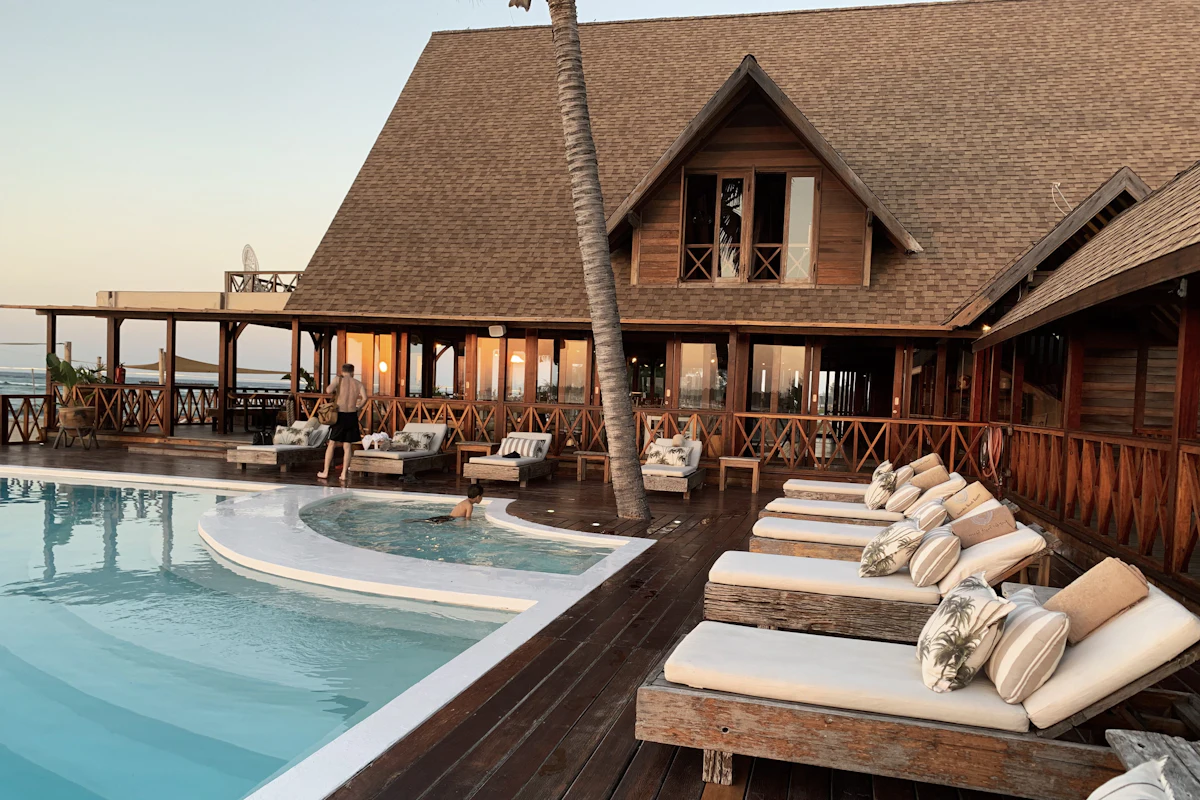 Photo by Bilderboken on Unsplash
December to April is the drier window in this cloud forest region north of Cobán, where roads are rough enough that most tourists never make it past the more famous Semuc Champey. Basic park cabins near the lagoon run from $15 a night, and there's no signal, no Wi-Fi, and no restaurant beyond what the ranger station cooks with local ingredients. You'll swim in a perfectly circular volcanic lagoon, hike through primary forest listening for howler monkeys, and sleep to total silence broken only by insects and rain on a tin roof. Semuc Champey draws the crowds and the influencer photos, but Lachuá gives you the same jungle-and-water magic with almost nobody else around.
Jalapão State Park
Photo by Albert on UnsplashMay through September is dry season in this remote Tocantins state park, where dirt roads and sparse towns keep visitor numbers low despite scenery that rivals better-known Brazilian parks. Guided multi-day jeep tours from Palmas start around $400, staying in simple pousadas or camping near natural springs with no cell coverage for most of the route. You'll hike golden dunes, swim in crystalline blue springs called fervedouros, and watch sunsets over a landscape that looks more like a desert than the Brazil most travelers picture. Chapada Diamantina gets more international attention, but Jalapão's remoteness and lack of infrastructure make it a genuinely quieter, more physically demanding alternative.
What to know before you disconnect
- CALENDARDry seasons vary widely by country, so check regional timing rather than assuming one Latin America-wide rainy season.
- WEATHERHigh-altitude spots like Uyuni and Titicaca get cold at night even when days feel warm, so pack real layers.
- MONEYBring more cash than you think you need, since ATMs and card readers are often nonexistent in these locations.
- FLIGHTBook regional connecting flights early, as many remote-access airports run limited daily schedules.
Going off the grid in Latin America still means going somewhere real, not just somewhere quiet.
These destinations reward a little extra planning and a willingness to lose signal for a few days, and that's exactly the trade that makes them worth it. The best trips here aren't about escaping people entirely, but about finding places where the pace resets because the infrastructure simply hasn't caught up yet, and probably won't for a while.Frequently asked questions
What's the best off-the-grid destination in Latin America for beginners?
Is it safe to travel to remote areas of Latin America?
Do I need Spanish or Portuguese to visit these places?
How much should I budget for an off-the-grid trip?
When is the worst time to visit these destinations?
Free to use, no signup required.